 Learn
Learn
 Explore Sund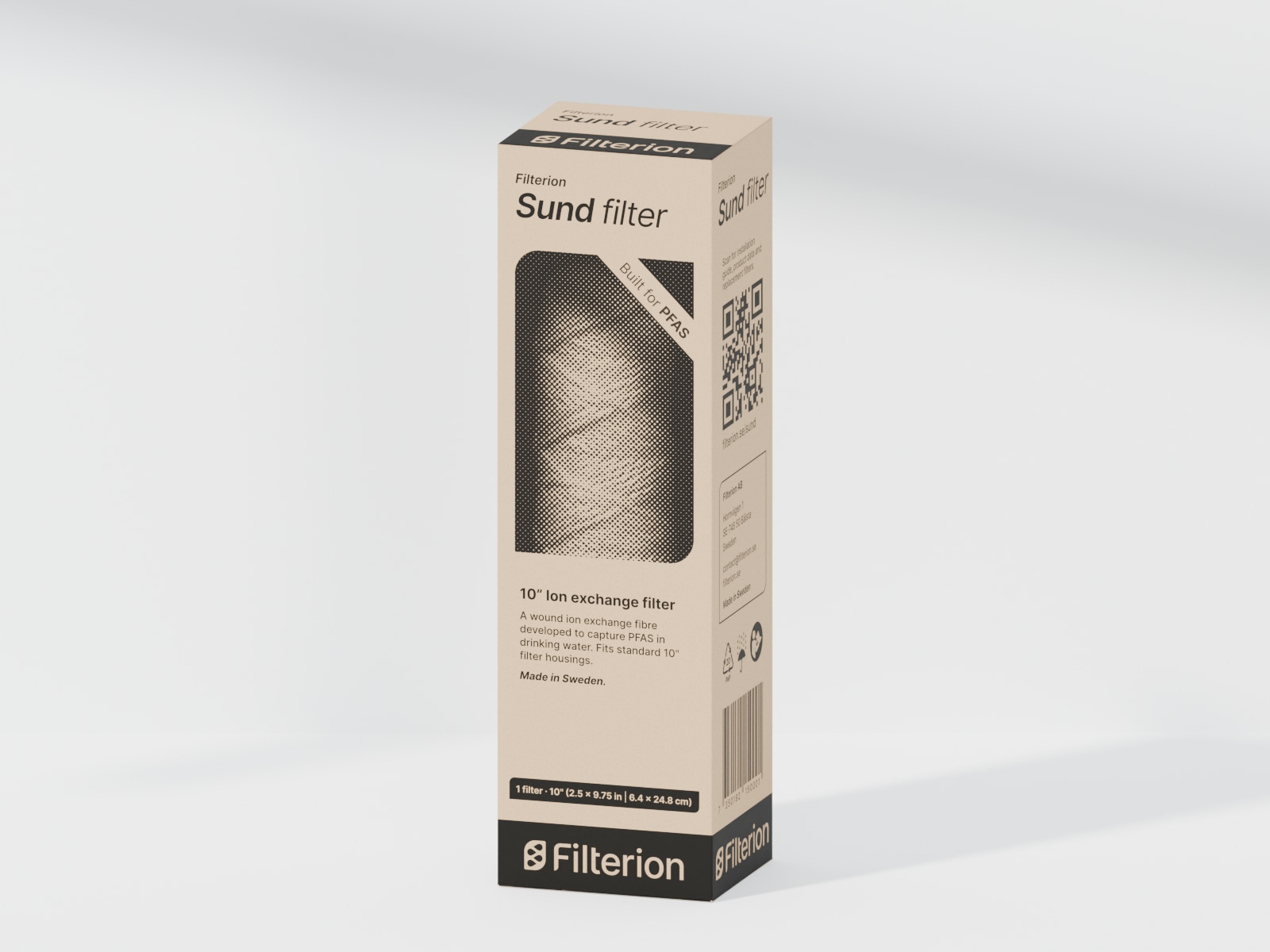
Meet Filterion Sund.
Ion exchange replacement cartridges, developed in Stockholm. Find your fit, explore the product, and get help with installation.
Filters
All products →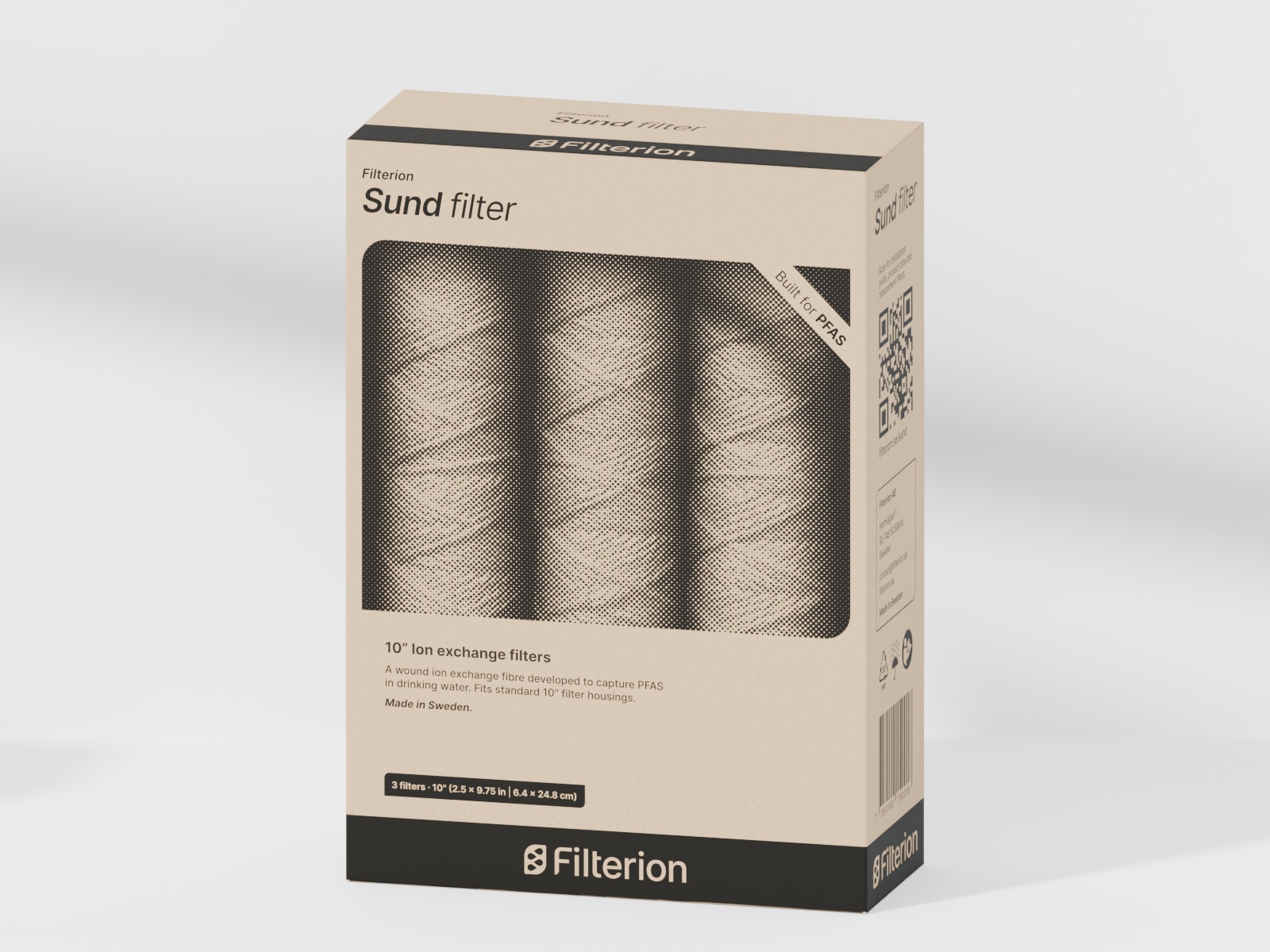
The limit fell from 90 to 4.
From 1 January 2026, Sweden's limit for four PFAS in drinking water is 4 nanograms per litre (LIVSFS 2022:12). It binds drinking water producers.
What the new limit means
PFOA, PFOS, PFNA and PFHxS are four of the most studied PFAS. Sweden regulates their sum; a wider group of twenty-one substances has a limit of its own.
The limit binds waterworks and other drinking water producers. A household is not required to test, and a limit is not a measurement of what comes out of a tap.
Ask your municipality for its latest results. If your water comes from a private well, testing is your own responsibility.
90ng/l
Sweden, until the end of 2025
4ng/l
Sweden, from 1 January 2026
- 90 ng/l
- Sweden, until the end of 2025. Livsmedelsverket's action level, taken over the sum of eleven PFAS.
- 4 ng/l
- Sweden, from 1 January 2026. LIVSFS 2022:12, taken over the sum of four PFAS — PFOA, PFOS, PFNA and PFHxS.
- 100 ng/l
- EU, from 12 January 2026. Directive (EU) 2020/2184, taken over the sum of twenty PFAS. Drawn here to give the two Swedish values a scale.
Container kit and systems, coming soon
Complete under-sink and whole-home setups are on their way. The filters they use are available today.
Systems
All systems →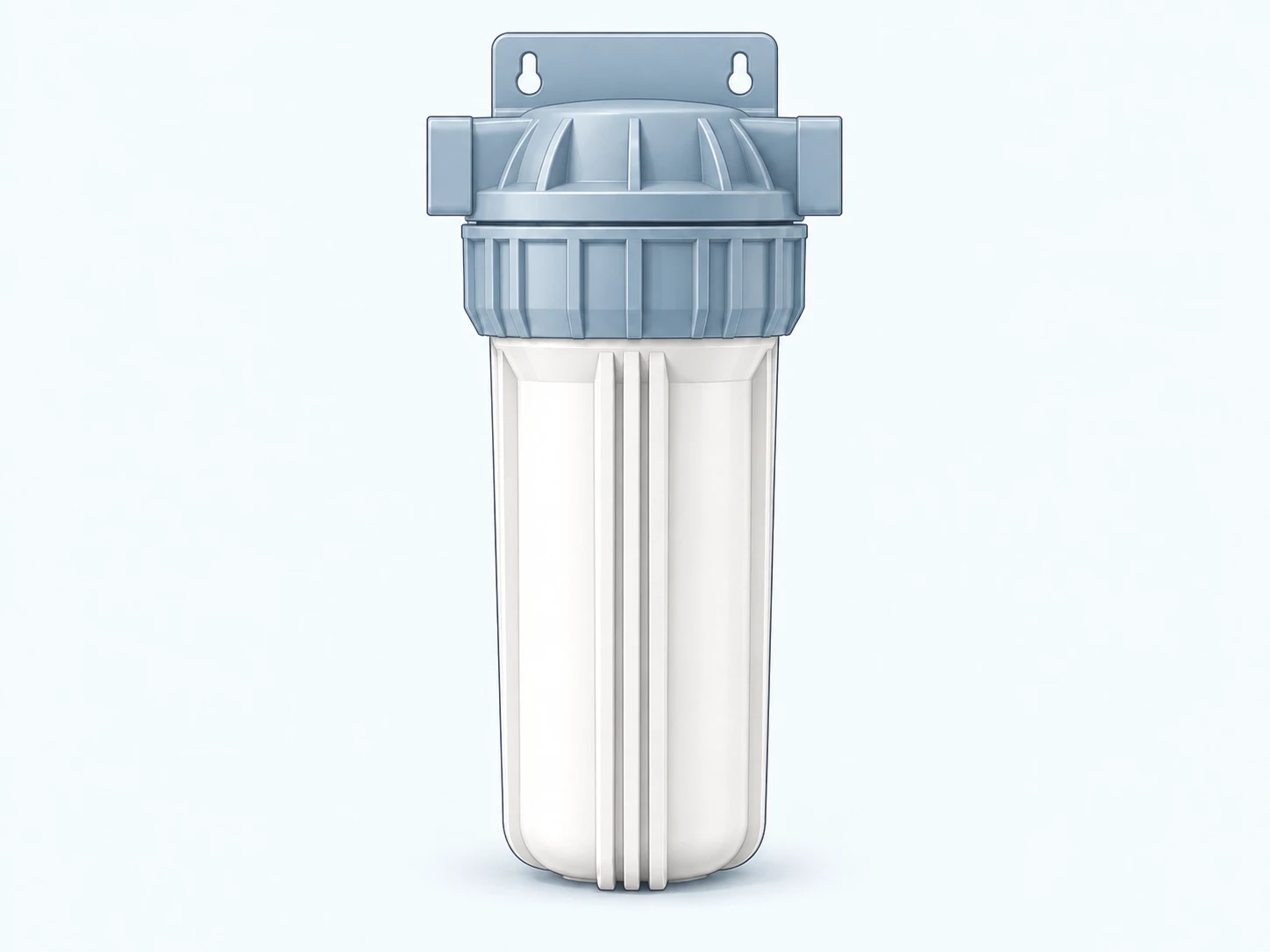 Coming soon
Filter Container Kit
One filter + the matching container housing. Everything you need to start.
 Coming soon
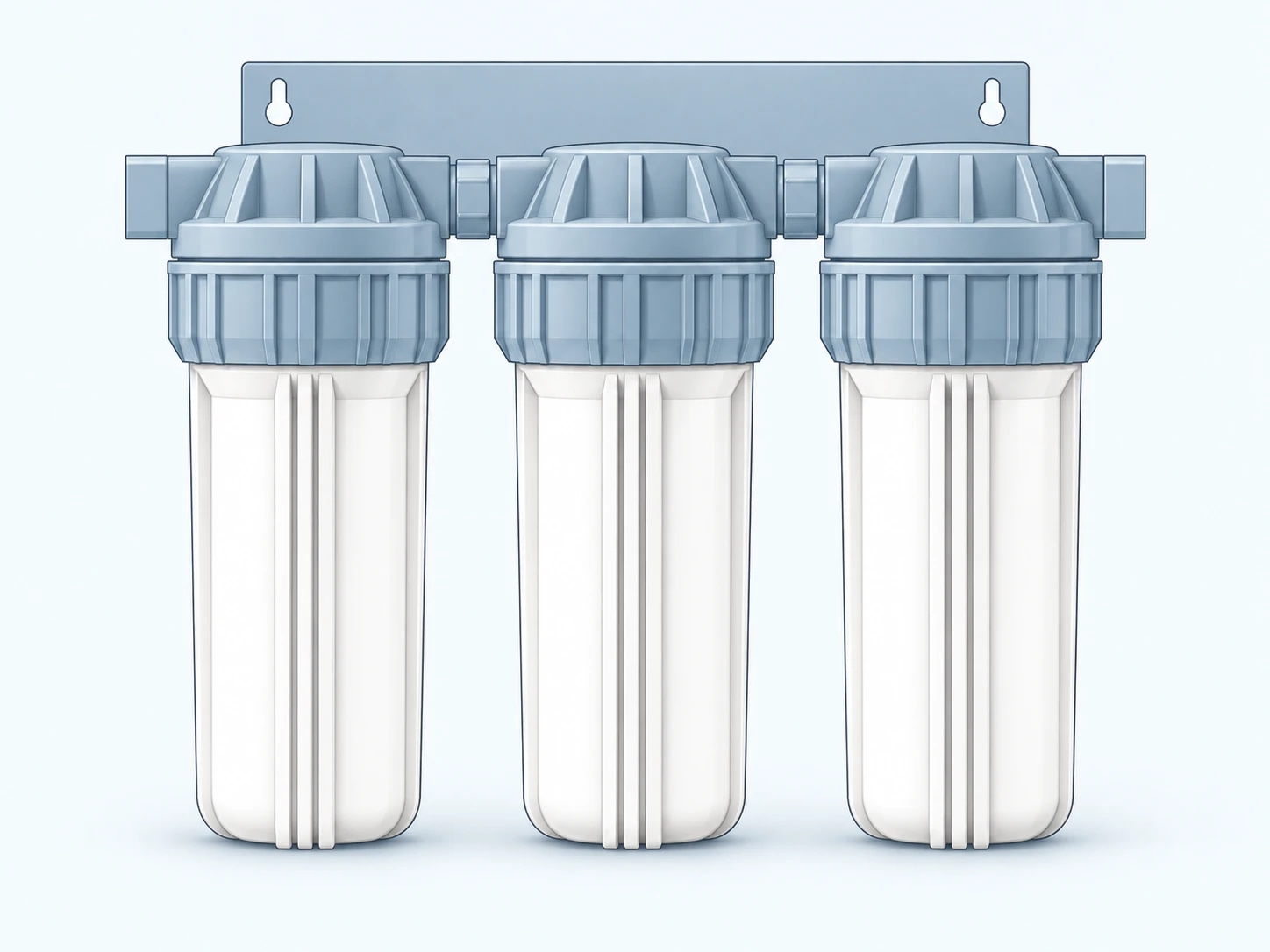
Filterion System, 3 Stages
Three-stage setup for a single point-of-use. Pre-filter, ion exchange fibre, polishing.
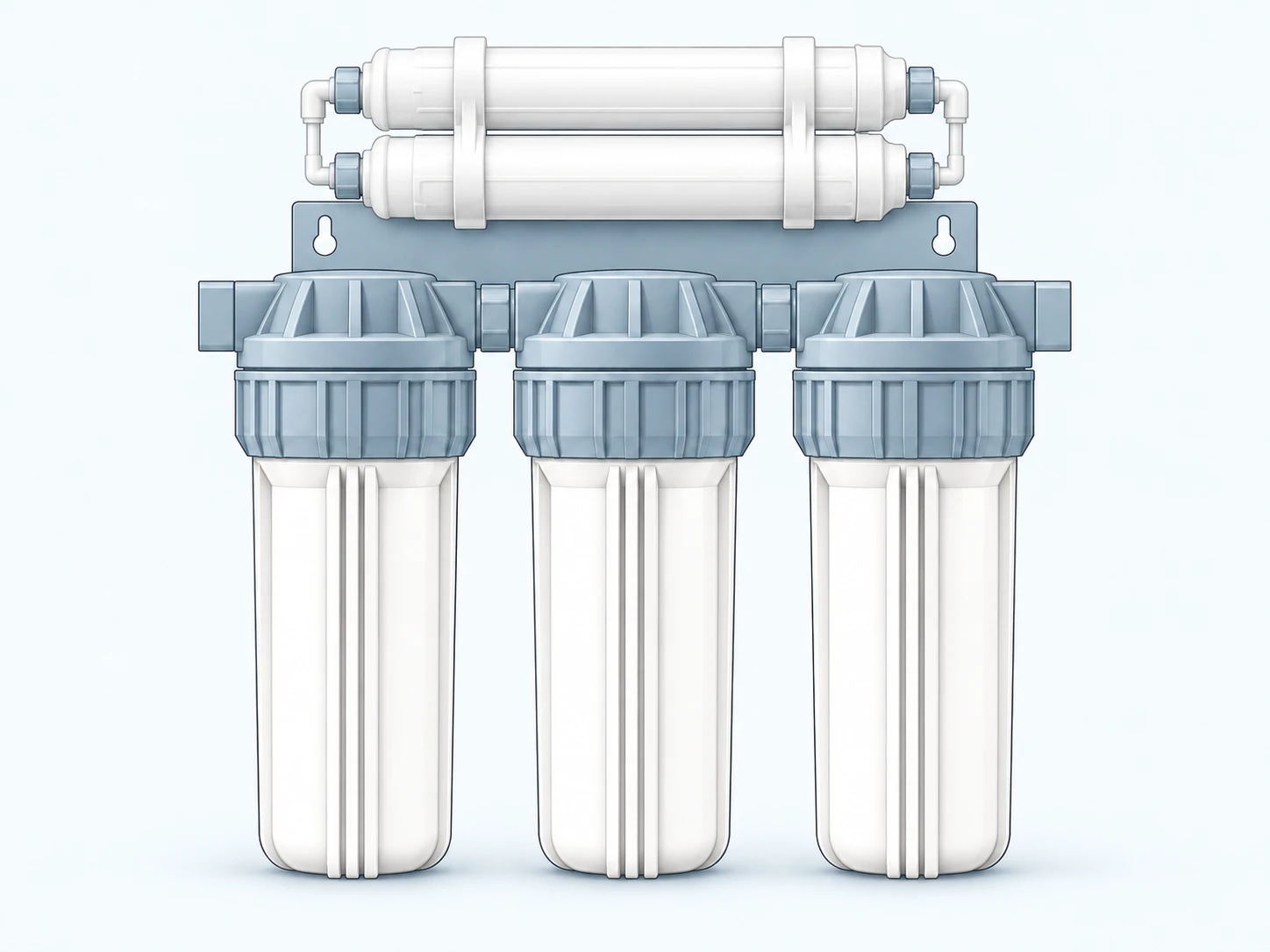 Coming soon
Filterion System, 5 Stages
Whole-home five-stage setup. Pre-filter, ion exchange fibre, carbon, polishing, post-filter.
Loading the map…
Measured water, against the limit
Click a chip to hide or show its dotsOther sites
4 ng/l applies to Swedish drinking water producers, LIVSFS 2022:12, applies from 1 January 2026. Source. Water measurements only; soil and biota sites appear in the nearby list with their measured value.
Each dot is the highest value recorded there; dense areas are grouped into 10 km cells. Basemap: © OpenStreetMap contributors, © OpenFreeMap. Place search: GeoNames (CC BY 4.0).
PFAS sites near you
Journalists and scientists across Europe compiled public records of PFAS measurements, presumed sources and factories into one dataset. Pick a limit to see how each measured site compares with it.
A dot marks a place where PFAS was measured, a known user, or a site presumed to handle PFAS because of its industry. It says nothing about the tap water where you live.
Search for a town to zoom in and list the nearest entries.